
Nexus Darknet Marketplace — Your Complete Informational Guide
The Nexus darknet marketplace has become one of the most discussed platforms on the dark web since its launch. This resource provides verified mirror links, cryptocurrency privacy education, operational security fundamentals, and anti-phishing awareness — all based on publicly available information and presented strictly for informational purposes.
Last verified:
About the Nexus Marketplace Platform
Since entering the scene, the Nexus marketplace has distinguished itself through a combination of strong security protocols, intuitive design, and active community governance. The platform operates exclusively on the Tor network, requiring users to access it via verified onion mirrors. Its architecture prioritizes anonymity at every layer — from encrypted messaging to multisig escrow transactions.
Understanding how this platform works is essential for anyone researching darknet ecosystems. Below are the six core features that define the Nexus marketplace experience. For an expanded breakdown of all twelve features, visit the full market information page.

Multisig Escrow Protection
Every transaction passes through a robust escrow system. Funds remain locked until the buyer confirms delivery, protecting both parties from fraud and disputes.
Multi-Currency Wallet
Supports Bitcoin, Litecoin, and Monero deposits. The integrated wallet system allows seamless conversions and balance management across all three currencies.

Vendor Verification System
Strict vetting process for all sellers. Public trust scores, transaction history, and community reviews ensure transparency and help buyers make informed choices.
PGP-Based 2FA
Optional two-factor authentication uses PGP encryption rather than phone-based methods. This keeps accounts secure without requiring any personally identifiable information.

Intuitive User Interface
A clean, well-organized dashboard makes browsing categories, managing orders, and communicating with vendors straightforward even for newcomers to the platform.

Dispute Resolution & Support
Dedicated moderators handle disputes fairly. A built-in ticketing system and community forums provide multiple channels for resolving issues and getting help.
Cryptocurrency & Privacy Fundamentals
Cryptocurrency emerged in 2009 with the creation of Bitcoin, offering a decentralized alternative to traditional finance. Over the following decade, hundreds of alternative coins appeared — some designed specifically to address Bitcoin's privacy shortcomings. These privacy coins use advanced cryptographic techniques to obscure transaction details, making them particularly relevant for users of platforms like the Nexus marketplace.
Privacy coins differ from transparent cryptocurrencies in one fundamental way: transaction obfuscation is built into the protocol itself. While Bitcoin records every sender, receiver, and amount on a public ledger, privacy coins hide this data by default. The most prominent example is Monero (XMR), which uses ring signatures, stealth addresses, and RingCT to ensure that no outside observer can trace funds.
Accepted Currencies on the Nexus Platform
Privacy level: Maximum
Ring signatures hide the sender, stealth addresses hide the receiver, and RingCT hides amounts. All transactions are private by default with no opt-in required.
Read full XMR guide →Privacy level: Low
Transparent blockchain where all transactions are publicly visible. Requires additional mixing or CoinJoin steps to achieve any level of obfuscation.
Read full BTC guide →Privacy level: Low–Medium
Faster and cheaper than Bitcoin with optional MimbleWimble privacy extension. However, standard transactions remain fully transparent on-chain.
Read full LTC guide →Privacy recommendation: For maximum anonymity, use Monero exclusively. If starting with BTC or LTC, convert to XMR through a non-KYC exchange before transacting. Read our full cryptocurrency guide for step-by-step instructions.
Operational Security (OPSEC) Essentials
Why should you care about OPSEC? Every action you take online leaves traces — metadata, IP addresses, browser fingerprints, and behavioral patterns. Without deliberate countermeasures, these digital breadcrumbs can be pieced together to reveal your real identity. For anyone interacting with the Nexus darknet ecosystem or any privacy-sensitive environment, understanding and practicing operational security is not optional — it is the foundation of personal safety.
What Helps You Stay Anonymous
Privacy-Focused Operating System
Tails boots from USB and routes all traffic through Tor, leaving zero traces on the host machine. Whonix isolates applications in a virtual machine for compartmentalized security.
Network Isolation
Use Tor exclusively. Consider chaining VPN → Tor for added protection. Change your MAC address before connecting to any network, and avoid using personal home Wi-Fi without safeguards.
PGP Encryption
Generate unique PGP keypairs for each platform. Encrypt all sensitive messages. Verify market signatures before every login to prevent credential theft from cloned sites.
Identity Compartmentalization
Use unique usernames, passwords, and PGP keys per service. Never cross-reference identities. Use a dedicated device that holds no personal data whatsoever.
Red Flags & What to Avoid
Never reuse credentials between platforms. A single leaked password from one compromised service can cascade into total exposure.
Never access darknet sites from your regular browser or without Tor. Your real IP address will be exposed to the destination server.
Never discuss activities on clearnet social media. Even vague references can be correlated with on-chain data and browsing patterns.
Never enable JavaScript on untrusted .onion pages. Set Tor Browser to "Safest" mode and leave it there.
Essential Tools
Routes traffic through three encrypted relays. Download only from torproject.org.
Amnesic live operating system. Forgets everything on shutdown. Boots from USB.
PGP key management and message encryption. Essential for verifying market authenticity.
This is a condensed overview. For the complete OPSEC guide with detailed walkthroughs, tool configurations, and threat modeling, visit our dedicated security guide page.
Drug Harm Reduction — Brief Guidelines
Regardless of personal choices, safety must come first. These evidence-based principles can reduce the risk of serious harm or fatal outcomes. For a comprehensive guide covering specific substances, overdose response, and professional resources, visit our full harm reduction page.
Always use reagent test kits. Fentanyl test strips can detect lethal contaminants. Never assume purity based on appearance.
Have a trusted person present. If alone, use the Never Use Alone hotline (1-800-484-3731) so someone can call emergency services if needed.
Begin with the smallest effective dose. Wait for full onset before redosing. Tolerance varies widely between individuals and batches.
Never combine depressants (opioids, benzodiazepines, alcohol). Polydrug use exponentially increases overdose risk.
Emergency: If someone is unresponsive, not breathing, or turning blue — call 911 immediately. Administer naloxone (Narcan) if available. Most regions have Good Samaritan laws protecting callers from prosecution.
How Not to Get Phished
Phishing remains the single most common attack vector targeting users of the Nexus darknet ecosystem. Fake mirror sites replicate the marketplace interface pixel-for-pixel, stealing credentials and funds the moment you log in. Here are the essential practices every user should follow:
- ✓ Bookmark this page and always access the Nexus url through your saved bookmark — never from search results or forum links.
- ✓ Verify PGP signatures every time before entering credentials. Authentic links are cryptographically signed.
- ✓ Check the onion URL character-by-character. Phishing domains often differ by a single character.
- ✓ Never trust links from DMs, emails, or social media. Official updates only come through PGP-signed channels.
- ✗ If anything feels wrong — close the tab immediately and start fresh from your bookmark.
Latest Platform News
Stay informed with the latest developments, updates, and security advisories related to the Nexus marketplace and the broader darknet landscape. New posts are published regularly.

Major server-side upgrades improve DDoS resilience and reduce page load times across all mirrors...
Read more →
Faster Monero deposits and withdrawals with improved confirmation tracking and subaddress support...
Read more →
New tiered bond structure aims to attract quality vendors while maintaining marketplace integrity...
Read more →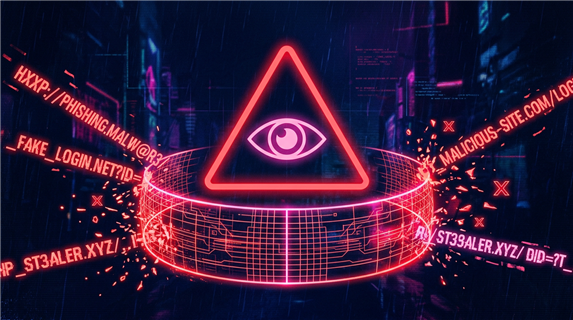
New login-time verification challenges and personalized security tokens help users identify authentic pages...
Read more →
Faster response times and clearer escalation paths as the moderation team expands with new guidelines...
Read more →
A comprehensive look back at the major events, market shifts, and security developments across the darknet...
Read more →
The platform rolls out interface improvements focused on accessibility, mobile compatibility, and load speed...
Read more →
Improved transaction speed, lower fees, and better multi-currency balance management roll out across the platform...
Read more →
Record registration numbers reflect growing trust in the platform's security model and vendor ecosystem...
Read more →Frequently Asked Questions
The Nexus marketplace is a darknet platform accessible through the Tor network. It operates with a built-in escrow system, multi-cryptocurrency support (XMR, BTC, LTC), PGP-based authentication, and vendor verification. Buyers browse listings, place orders using crypto, and funds release from escrow upon delivery confirmation.
Cross-check the onion URL from multiple trusted sources. Verify the market's PGP signature against the official public key published here. Never use links shared via direct messages, forums, or search engine results. Bookmark this page and use it as your primary reference.
Yes. The Tor Browser is required to access any .onion domain. Download it exclusively from torproject.org. Regular web browsers cannot resolve onion addresses and offer no routing protection.
Monero (XMR) is strongly recommended. Unlike Bitcoin and Litecoin, Monero hides sender, receiver, and transaction amounts by default. If you start with BTC or LTC, convert to XMR through a non-KYC exchange before transacting on the platform.
Yes. PGP-based two-factor authentication is available and strongly recommended. Once enabled, you must decrypt a PGP challenge during each login, preventing unauthorized access even if your password is compromised.
Bookmark verified mirror pages and access only through bookmarks. Verify PGP signatures before logging in. Enable 2FA. Never click links from forums, emails, or DMs. Check the URL character by character. If anything seems suspicious, close the tab immediately.
First, contact the vendor through the platform's encrypted messaging system. If the issue remains unresolved, open a formal dispute through the escrow system. Moderators will review evidence from both sides and make a binding decision. Always communicate through official channels — never off-platform.